
Spring Home Maintenance Checklist to Protect Your Home
After rounds of harsh winter storms, spring is the perfect time to tackle home maintenance tasks and repairs for the upcoming year. Preventative maintenance now can save homeowners thousands in repairs later.
We collected advice from home insurance professionals across New York to compile a beginner-friendly checklist for spring home maintenance. Use our guide as a starting point to protect your home. If you’re an insurance agent, share this with your insured to keep their property safe.
Related: Looking for better coverage on homeowner’s insurance? Explore Security Mutual’s personal products.
1. Update Your Inventory for Your Homeowner’s Insurance
Homeowners should review their home insurance policy annually to determine if their current coverage makes sense for their home or if the coverage limit needs to be adjusted. After all, a home’s value typically appreciates over time, especially after home renovations, additions, or expensive home purchases.
Update your home inventory to ensure you have a detailed record of your belongings, in case you ever need to file a homeowner’s insurance claim. If you haven’t created an inventory yet, start fresh now! Don’t forget to check for new purchases in your garage, attic, and basement—those areas often hold more value than homeowners realize.
How to Update Your Home Inventory:
- Walk through each room and photograph your valuables (if you haven’t already).
- Log any new purchases you’ve made in the prior year, including large electronics, home appliances, furniture, and clothes.
- Store receipts and photos in a secure cloud folder for reference.
- Review your current homeowner’s insurance policy with your insurance agent for coverage gaps. Make sure you have enough coverage to replace your inventory should it be damaged by a covered event.
2. Inspect Your Roof for Leaks and Repairs
Brutal winters can take a toll on roofs, especially for homes in New York that see heavy snow, ice dams, and frequent freeze-thaw cycles. What starts as a few loose shingles or a hairline crack can quickly evolve into costly structural problems and water damage.
Homeowners need to address these issues early or consult a roofing specialist for an assessment. Many offer free or low-cost spring inspections and can catch issues you’d miss from ground level.
How to Inspect Your Roof:
- Scan your roof from the ground for missing or curled shingles.
- Check your attic or crawl space for moisture, stains, or daylight gaps.
- Inspect flashing around the chimney, skylights, and vents.
- Schedule a professional inspection if damage is found, and complete the repairs before more damage occurs.
3. Clean Your Gutters to Avoid Water Damage
Besides roof holes and leaky pipes, clogged gutters are one of the most common causes of water damage to a home. When gutters back up with leaves, twigs, and debris, rainwater collects in the gutters before cascading down the siding. The combined weight of the water and debris can also dislodge the gutter from the roof, causing rain to seep under your roofline. This can also damage siding, fascia boards, and even your basement. Finally, misdirected rainfall may pool around your foundation, which can erode the soil over time.
Homeowners should clean their gutters at least twice a year, once during the spring and again in the fall, to avoid clogs. If you live near trees, you may have to check your gutter system more frequently or consider installing gutter guards to reduce maintenance needs.
How to Clean Your Gutters:
- Remove leaves, twigs, and debris from all gutters.
- Flush downspouts to confirm water flows freely.
- Make sure your downspouts direct water at least 3–4 feet away from your foundation.
- Check for sagging sections or gutters pulling from the roofline. You may need to call a professional to repair the gutter.
4. Inspect Your Exterior Siding and Interior Walls for Damage
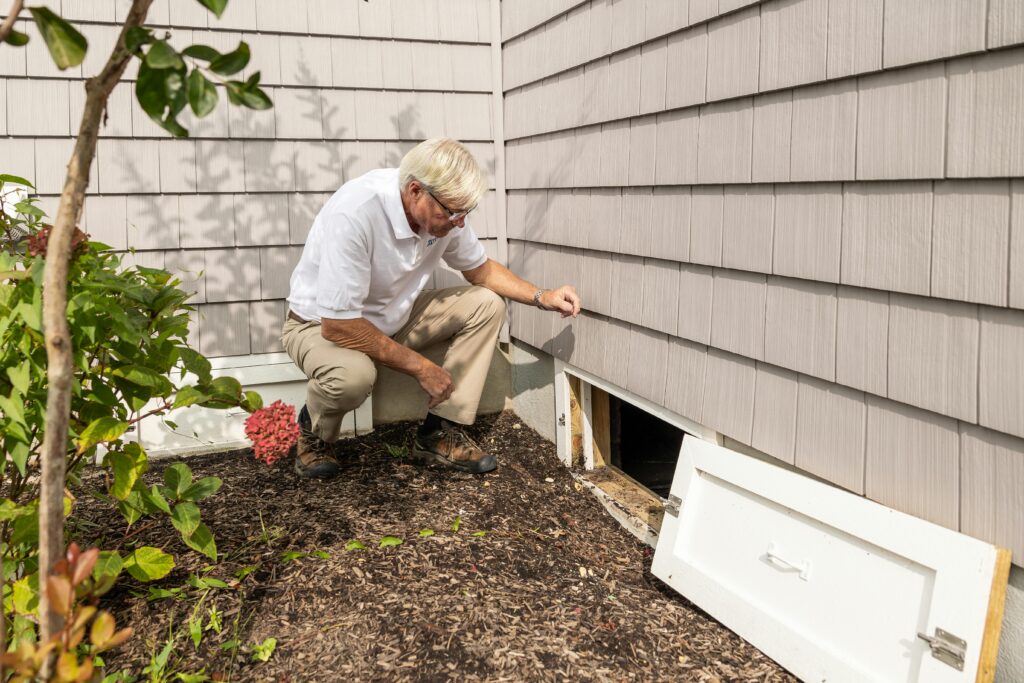
Your home’s exterior siding is its first line of defense against the elements. Winter weather can leave it cracked, warped, or riddled with gaps where moisture and pests can sneak in. A thorough spring walkabout can reveal problems before they compound.
Inside, inspect walls and ceilings for any new cracks or water stains that might have appeared over winter. Although cracks can occur naturally as the home’s foundation settles or experiences seasonal changes, larger vertical or diagonal cracks can indicate structural damage that homeowners must address immediately.
How to Inspect Your Siding & Interior Walls:
- Walk the exterior and check all siding panels for damage. Vinyl siding can crack in extreme cold, while wood siding swells and warps after prolonged exposure to moisture.
- Re-caulk around windows, doors, and utility lines as needed.
- Look for peeling or blistering paint, which is typically a sign of water getting in beneath the siding.
- Inspect interior walls and ceilings for new cracks or stains. Pay attention to corners, areas near windows, and the ceiling below upstairs bathrooms.
5. Maintain Your HVAC System
Spring is the smartest time to service your HVAC system before the summer heat kicks in. A well-maintained system runs more efficiently, lasts longer, and keeps your energy bills in check, making this one of the highest-return home maintenance tasks you can do.
Remember, HVAC systems are often on year-round, making them susceptible to mechanical breakdown without proper upkeep or electrical damage. Keep your HVAC covered through routine maintenance, investing in equipment breakdown coverage, and exploring home electrical monitoring systems like Ting.
How to Maintain Your HVAC System
- Replace the HVAC air filter (most should be changed every 1–3 months).
- Clear debris and plants from around the outdoor AC unit or vents.
- Test the cooling mode for proper airflow and temperature. Look for strange noises, weak airflow, persistent warm air, or water pooling around your system.
- Schedule a professional HVAC spring tune-up, which includes checking refrigerant levels, cleaning coils, and inspecting electrical components.
Keep Your Home in Top Shape This Spring
Spring home maintenance isn’t glamorous, but it’s one of the smartest investments you can make as a homeowner. By taking care of your roof, gutters, siding, HVAC, and insurance inventory each spring, you’re protecting your home’s value while keeping your family safe.
Talk to a Security Mutual Insurance Agent to discover how we help insured homeowners reduce home risks. Learn why we’re represented by a network of over 400 agents across New York State.