
Winter Fire Safety & Prevention: A Homeowner’s Guide
Every year, more home fires occur in December, January, and February than in any other stretch of the calendar. Hence, there is not a more critical time of year than winter to exercise due diligence in fire safety.
In this article, we’ll identify some of the most common winter home fire hazards and provide essential tips for preventing fires in your home this winter.
Need coverage for your home? Explore Security Mutual’s personal coverage options today.
The colder weather brings a host of fire risks — from increased use of home heating equipment to unsafe use of holiday decor.
Using national fire safety data, we’ve compiled a list of the top hazards to watch out for:
1. Home Heating Equipment
Heating equipment is the leading cause of home fires during the winter, largely because households rely more heavily on supplemental heat sources as temperatures drop. Space heaters can overload outlets or ignite nearby fabrics, while fireplaces may accumulate creosote that increases the risk of flue fires. Older or infrequently used equipment like kerosene heaters, outdated radiators, or electric baseboards, can malfunction, tip over, or emit unsafe fumes.
Fire Prevention Tips
There are varying precautions to take, depending on the types of equipment that heat your home. Below is breakdown of quick fire prevention tips for each:
- Space heaters — Keep them at least three feet from anything flammable, and always plug them directly into a wall outlet, never into an extension cord. We also recommend purchasing space heaters with a tipping-sensor auto shutoff.
- Kerosene heaters — Use only the manufacturer-recommended grade of fuel and always make sure the room is adequately ventilated. When refueling, always remember to refuel outdoors and only after the heater has cooled fully.
- Fireplaces & Wood Stoves — As a rule of thumb, have your chimney inspected and cleaned annually by a certified professional. For any wood-burning heat source, use a screen or glass barrier to catch embers, and ensure you dispose of ashes in a metal container kept outdoors, away from structures.
- Radiators & Boilers — Keep items from touching or draping over radiators, and it’s safest to regularly check for unusual noises, odors, or leaks. Having boilers serviced annually by a licensed technician can prevent these cautionary issues.
Be prepared for the unexpected by confirming that your homeowners insurance policies indeed cover the damage caused by your heating equipment.
Documenting maintenance records for boilers or chimneys and recording video of your home’s interior are proactive ways to avoid coverage denials and speed up your claims processes.
2. Lithium-Ion Batteries
Another winter fire hazard that continues to grow is lithium-ion batteries. In fact, lithium-ion batteries are now the third leading cause of fires in New York City, according to New York City Fire Department (FDNY) data.
Electronics, toys, and e-bikes make for great holiday gifts, but the lithium-ion batteries inside many of these newer devices warrant caution.
Improper charging, damaged batteries, or faulty devices can trigger thermal runaway, causing fires that reach temperatures over 1,000 °C and ignite surrounding materials. Hence, lithium-ion battery fires are known for creating catastrophic damage in a short amount of time and yielding deadly consequences.
Fire Prevention Tips
If you have lithium-ion battery products in your home or are seeking to buy an item containing the batteries this holiday season, we recommend keeping a fire extinguisher rated for electrical fires (Class C) nearby. Learning what to check for and how to care for the batteries will help ensure you never have to use that fire extinguisher.
Educate yourself on the fire prevention methods below:
Pre-Purchase Checks
- Purchase lithium-ion devices from reputable manufacturers — Avoid off-brand or uncertified products that may not meet safety standards.
- Look for certification labels from recognized safety labs — Check packaging or product details for marks such as UL, which indicate the device has passed safety testing.
- Check for product recalls — Ensure the battery or device hasn’t been flagged for fire, charging, or overheating defects.
Maintenance & Care
- Charge devices on hard, flat surfaces — Keep them away from beds, couches, or curtains to prevent heat buildup. The FDNY strongly recommends charging devices outside, if possible.
- Don’t overcharge — Unplug devices once fully charged and do not leave batteries or devices charging unattended overnight.
- Regularly inspect batteries — Check for signs of defective units, which include swelling and leakage, and safely dispose of units showing those signs.
- Store batteries properly in cool, dry locations — Keep them away from heat sources and avoid contact with metal objects that could cause short circuits. Again, the FDNY is urging NYC residents to store devices outside, if possible.
3. Cooking Fires
Cooking is the leading cause of home fires throughout the year, and winter amplifies the risk, as holiday gatherings bring larger meals, more baking, and busier kitchens. Add in the distractions that come with hosting — sometimes paired with alcohol — and the likelihood of an accidental kitchen fire rises even further.
According to the National Fire Prevention Association, Christmas Day and Christmas Eve rank 2nd and 3rd for peak days of home cooking fires, trailing Thanksgiving — nearly twice the daily average.
Fire Prevention Tips
Same with keeping an extinguisher around in case of lithium-ion battery fires, a fire extinguisher should be kept around your kitchen. Here are more simple but important reminders for ensuring your winter gatherings don’t go up in flames:
- Stay in the kitchen — When frying, boiling, or broiling foods (higher-risk cooking methods), don’t let distractions and multi-tasking lead you away from the kitchen.
- Clear your kitchen clutter — Keep flammable items like oven mitts, packaging, and dish towels away from the stovetop.
- Regularly clean ovens and stovetops — Grease is ignition to a fire, and it builds up after heavy cooking — making it all the more critical to remove as needed during your holiday preparations.
On the insurance side, confirm your homeowners policy covers damage caused by cooking-related fires. You may also check your personal-property limits specifically, to ensure your high-value appliances are covered.
Need an agent to guide you through? Learn how an independent agent can support you today.
4. Portable Generators
While Carbon Monoxide poisoning is often a main concern with portable generator usage, generators are another common cause of home fires during the winter. When using your generator during those winter storm power outages, it’s critical to ensure correct usage, as generators can overload and backfeed, causing electrical fires.
Storing fuel improperly adds another layer of hazard, making it essential to properly care for all your generator’s supplies, not just the generator itself.
Fire Prevention Tips
You may not know it, but there’s a chance you’ve engaged in unsafe generator use in the past — don’t let this winter be the time you pay for it. Here are tips for preventing generator overloading, backfeeding, and more common causes of generator fires:
Overloading
- Power the essentials — Powering only your essential appliances and devices will help prevent overheating.
- Check your wattage — Add up the wattage of every appliance and device you plan to power and keep your load under 80% of your generator’s capacity, as a rule of thumb.
- Use a wattmeter or load monitor — These tools can give you real-time data on how much wattage you’re drawing and help you stay within safe limits.
Backfeeding
- Install a transfer switch for home power — Never plug your generator into a household wall outlet. Instead, hire a licensed electrician to ensure safe generator integration and prevent backfeeding.
- Connect appliances directly — Again, never plug your generator into a household wall outlet. Always connect your appliances directly or use a transfer switch installed by a professional.
Improper Supply Storage & Maintenance
- Use only outdoor-rated, heavy-duty extension cords — Ensure cords are properly grounded and free of damage to reduce fire risk.
- Store fuel safely outdoors — Keep gasoline or diesel in approved containers in a cool, ventilated area away from ignition sources.
5. Candles & Seasonal Decor
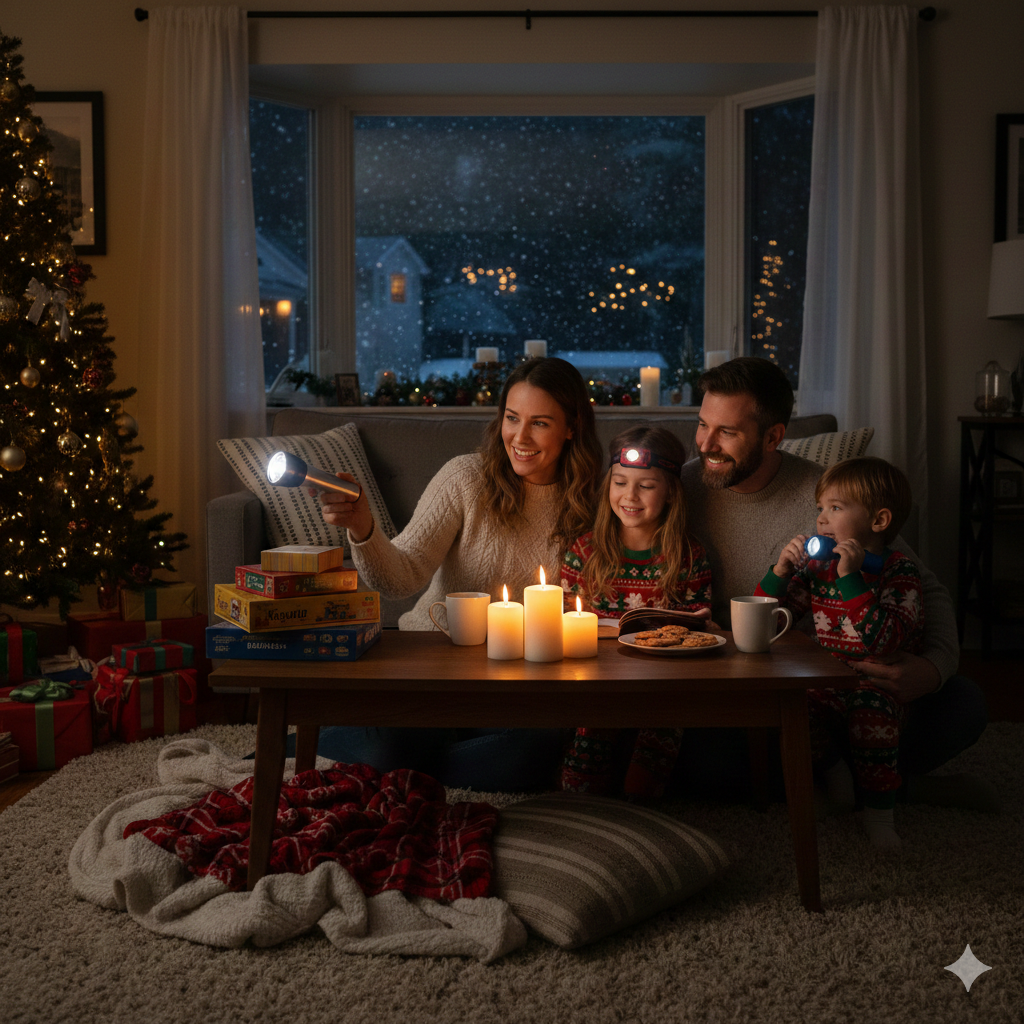
Candles are responsible for thousands of home fires each winter, especially around Hanukkah, Christmas and New Year’s. Their increased seasonal use — often near decor or fabrics — raises the likelihood of something catching fire.
It’s important to remember that dry natural Christmas trees ignite quickly, and so this should be considered when placing candles near the tree and stringing lights. Aging or overloaded light strands can overheat and spark, and crowded power strips, extension cords, and decor placed too close to heat sources all become dangerous if left unchecked.
Fire Prevention Tips
We recommend the following tips for mitigating fires caused by candles and other seasonal decor:
- Keep combustibles away from heat sources — Place candles on stable, heat-resistant surfaces at least one foot from anything flammable, and keep trees and decorations at least three feet from radiators, fireplaces, wood stoves, or space heaters.
- Never leave flames or lights unattended — Always extinguish candles and turn off holiday lights before leaving a room or going to bed.
- Maintain and monitor decorations — Inspect Christmas lights and extension cords for damage, avoid daisy-chaining multiple cords, and use only certified products.
- Choose safer alternatives when possible — Opt for LED flameless candles and keep Christmas trees well-watered, disposing of them promptly after the holidays.
6. Lack of Fire Hazard Tracking & Home Maintenance Tools
Many winter home fires don’t stem from a single mistake, but from undetected hazards and missed maintenance that quietly worsen over time. Without the right tracking and monitoring tools, homeowners may not realize there’s a problem until damage has already occurred.
Fire Prevention Tips
Staying ahead of winter fire risks is easier when you combine good habits with smart technology. The following tools and practices can help homeowners identify hazards early and stay on top of critical maintenance:
- Monitor your home’s electrical system — Electrical fires are one of the most dangerous and hardest to detect. Smart sensors can identify wiring faults and alert you before overheating or arcing leads to a fire.
- At Security Mutual, we partner with Ting to provide complimentary Ting smart sensors to eligible Homeowners Policyholders, offering around-the-clock monitoring and early warnings of electrical fire risks.
- At Security Mutual, we partner with Ting to provide complimentary Ting smart sensors to eligible Homeowners Policyholders, offering around-the-clock monitoring and early warnings of electrical fire risks.
- Track home maintenance tasks year-round — Missed chimney cleanings, delayed boiler servicing, and overlooked appliance inspections all increase winter fire risk. Using a centralized maintenance tool helps ensure nothing falls through the cracks.
- SMG Homeowners Policyholders receive complimentary access to the vipHome.app, which helps track maintenance schedules, safety tasks, and seasonal reminders in one place.
- SMG Homeowners Policyholders receive complimentary access to the vipHome.app, which helps track maintenance schedules, safety tasks, and seasonal reminders in one place.
- Use smart alerts and reminders — From smoke alarm battery changes to appliance recalls and weather-related risks, proactive alerts help homeowners take action before conditions become dangerous.
Ready to Take the Next Steps?
Good fire safety habits, hazard-tracking technology, and the right insurance coverage will make a world of difference in protecting your home, family, and bank account this winter season.
Invest in education, and be sure to talk to your insurance agent about technology and coverage options offered by your homeowners carrier.With expert guidance from Security Mutual’s network of over 400 independent agents and complimentary access to fire prevention and home maintenance tools like Ting and vipHome.app, the possibilities are limitless.